
7 Cut Flowers You Can Still Sow in June for Late Summer and Autumn Harvests

These seven cut flowers can still be sown in June for harvests later this summer and autumn
Think you've missed the window for sowing cut flowers this year? The good news is that there are still plenty of varieties that can be sown in June and produce beautiful stems before the season ends.
Many growers focus heavily on spring sowing, only to find themselves with a glut of flowers in midsummer and very little left by autumn. One of the easiest ways to extend your harvest season is through succession sowing – planting fresh batches of flowers throughout spring and early summer so that new plants are coming into production just as older ones begin to slow down.
In this post, I'll share seven cut flowers that can still be sown now and harvested later this summer and autumn.
Watch the Video
How to Choose Flowers for June Sowing
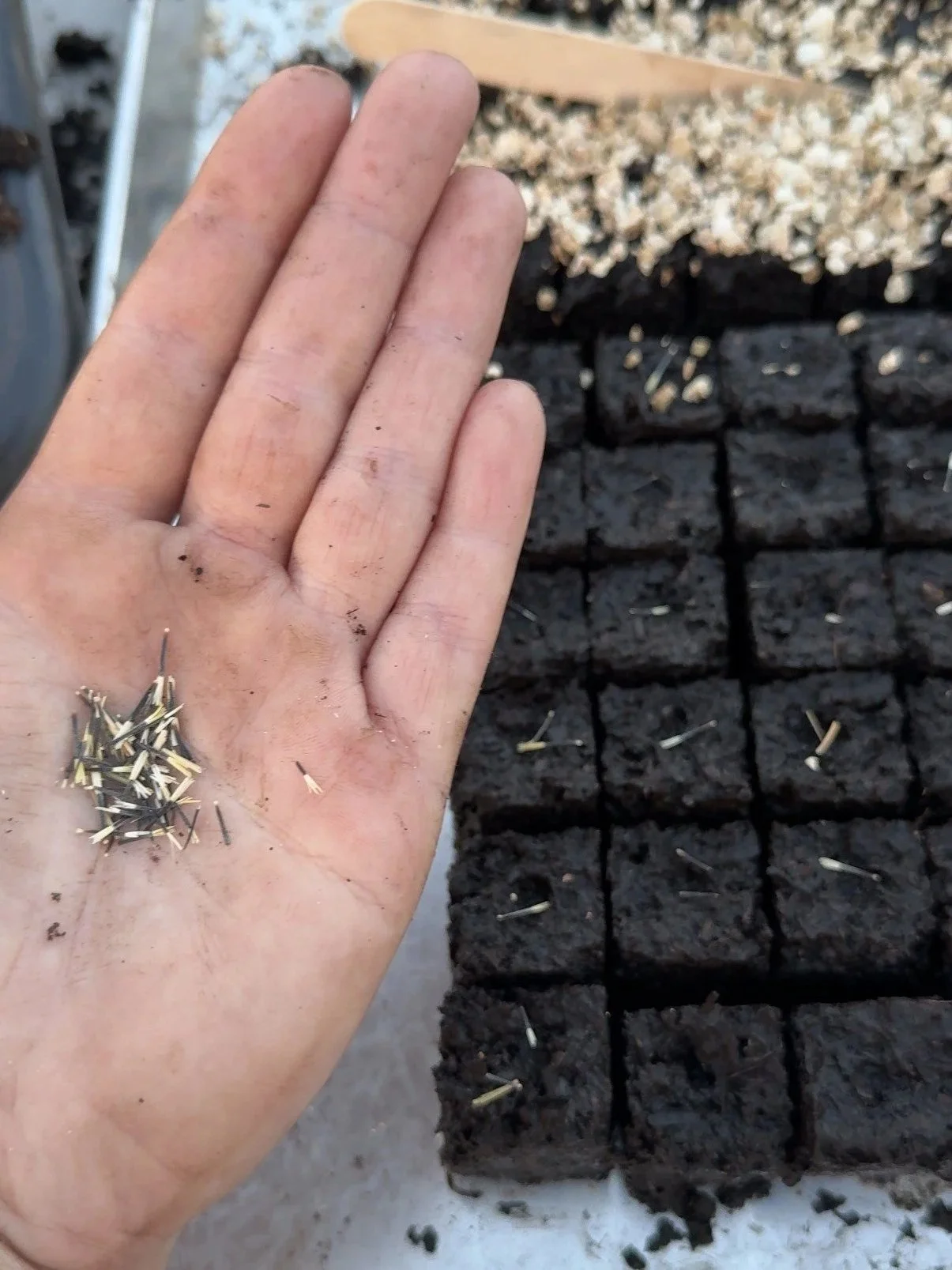
Marigold seeds being sown into soil blocks
When sowing flowers at this time of year, it's important to pay attention to the days to maturity.
Days to maturity refers to the amount of time it takes a crop to flower after planting out. If you're starting seeds in soil blocks or trays, you'll also need to factor in the time required to grow seedlings before they are planted into the garden.
The flowers below generally mature in around 50–100 days, making them suitable candidates for June sowing.
1. Zinnias
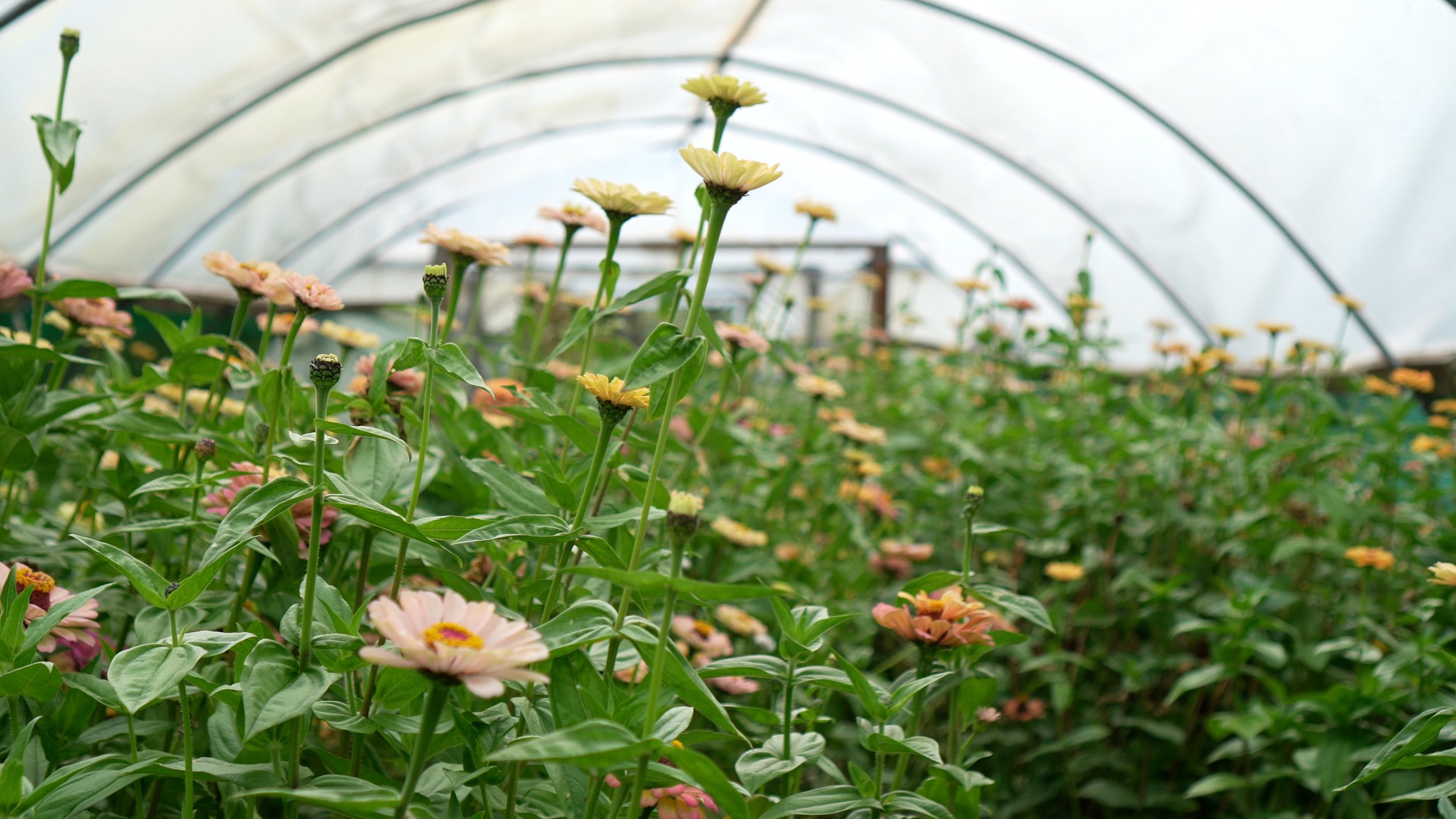
Zinnias growing in a polytunnel
Zinnias are one of the most productive and rewarding cut flowers you can grow. With a maturity time of around 75–85 days, a June sowing can provide flowers from August onwards.
I like to sow zinnias in small soil blocks. In my experience, they perform just as well as those started in larger blocks while using significantly less compost.
Growing Tips for Zinnias
75–85 days to maturity
Germinate quickly in warm conditions
Plant approximately 9 inches apart
Pinch plants for more stems
Expect flowering to be delayed by around 10–14 days if you pinch
2. Cosmos
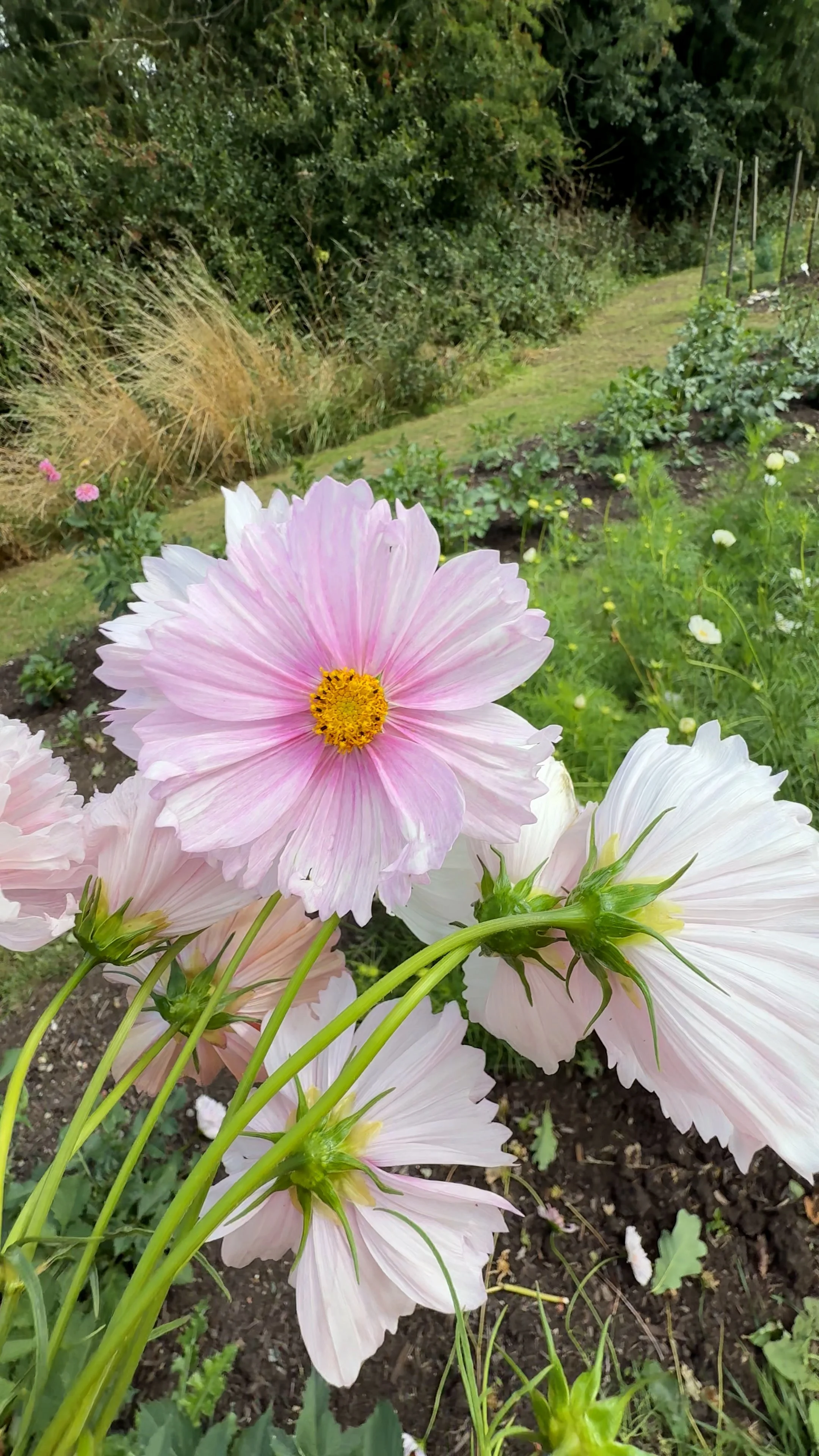
Cosmos are another excellent choice for succession sowing. Depending on the variety, they typically flower within 60–100 days of planting.
These fast-growing plants quickly develop into large, productive plants which can produce around 100 pickable stems each.
Growing Tips for Cosmos
60–100 days to maturity
Germinates in around 5 days
Prefers temperatures around 20°C (68°F)
Plant 12 inches apart (optional - provide support netting)
Pinch plants to encourage branching
3. Sunflowers
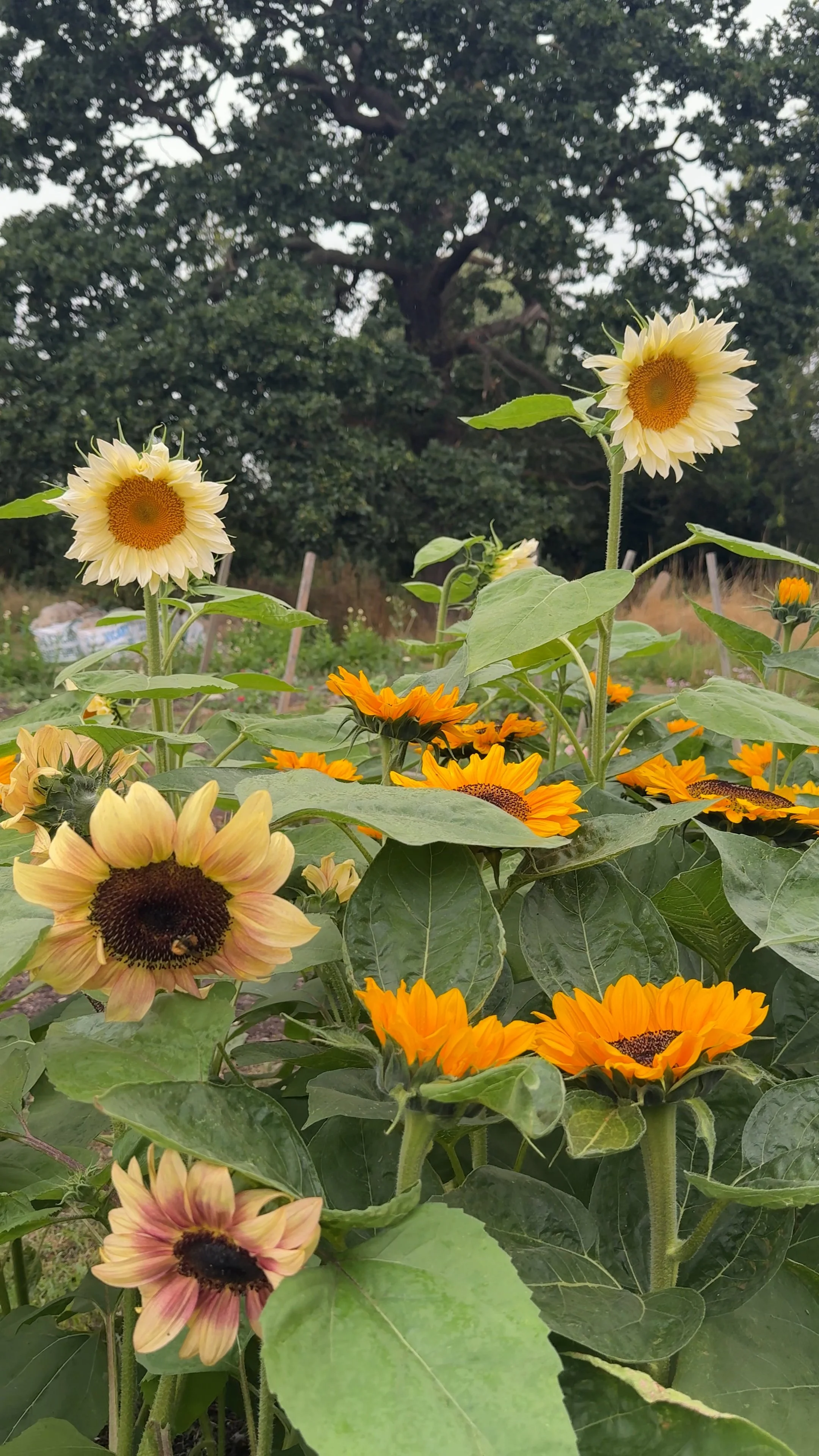
Sunflowers are among the fastest flowers you can sow at this time of year. Some varieties can flower in as little as 50 days.
When growing for cut flowers, spacing plays a huge role in stem usability. Closer spacing generally results in smaller, more florist-friendly blooms.
Growing Tips for Sunflowers
50–100 days to maturity depending on variety
Sow approximately 1cm deep
Plant at close spacing for smaller flower heads (4 inches)
Pinch branching varieties if desired
Do not pinch single-stem varieties like ‘pro-cut’.
4. Greek Cress
Greek cress is one of my favourite filler and textural crops for late-season bouquets.
After some of my earlier sowings became stressed and flowered prematurely, I'm direct sowing another batch to fill gaps in the bed and provide a fresh harvest later in the season.
Growing Tips for Greek Cress
50–60 days to harvest
Suitable for direct sowing
Produces multiple stems naturally
No pinching required
Harvest when the seed pods mature
Harvest fresh or dry for later use
5. Celosia
Celosia can be a little more challenging, but it's worth the effort for its unique texture and vibrant colours.
I've had the best germination results when providing consistently warm temperature and humidity.
Growing Tips for Celosia
Best germination at 20–25°C (68 - 77°F)
Sow on the surface and lightly cover
Grow in a protected environment initially
Pinch suitable varieties for increased stem production
85 - 100 days to maturity
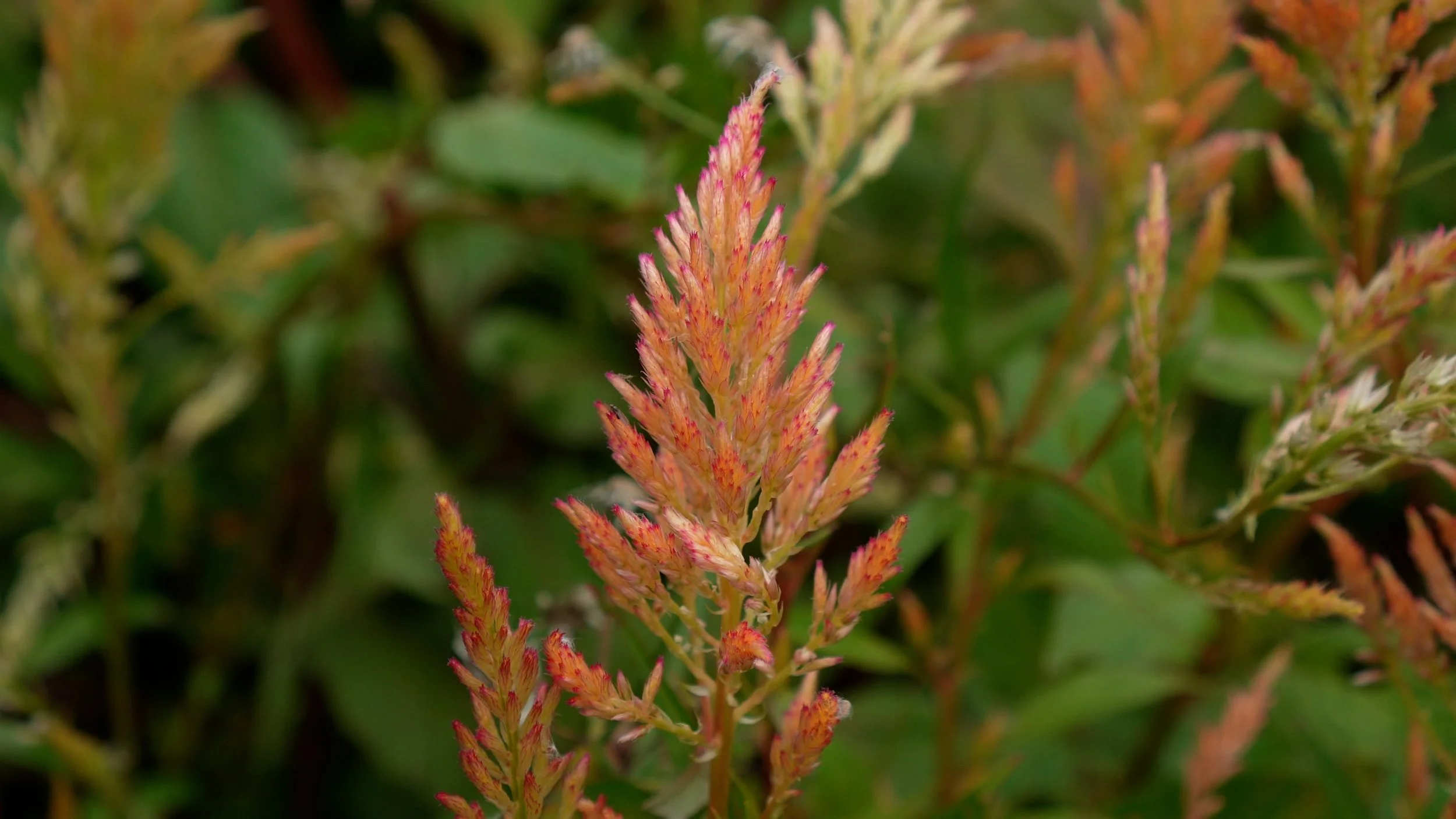
Feathery Celosia
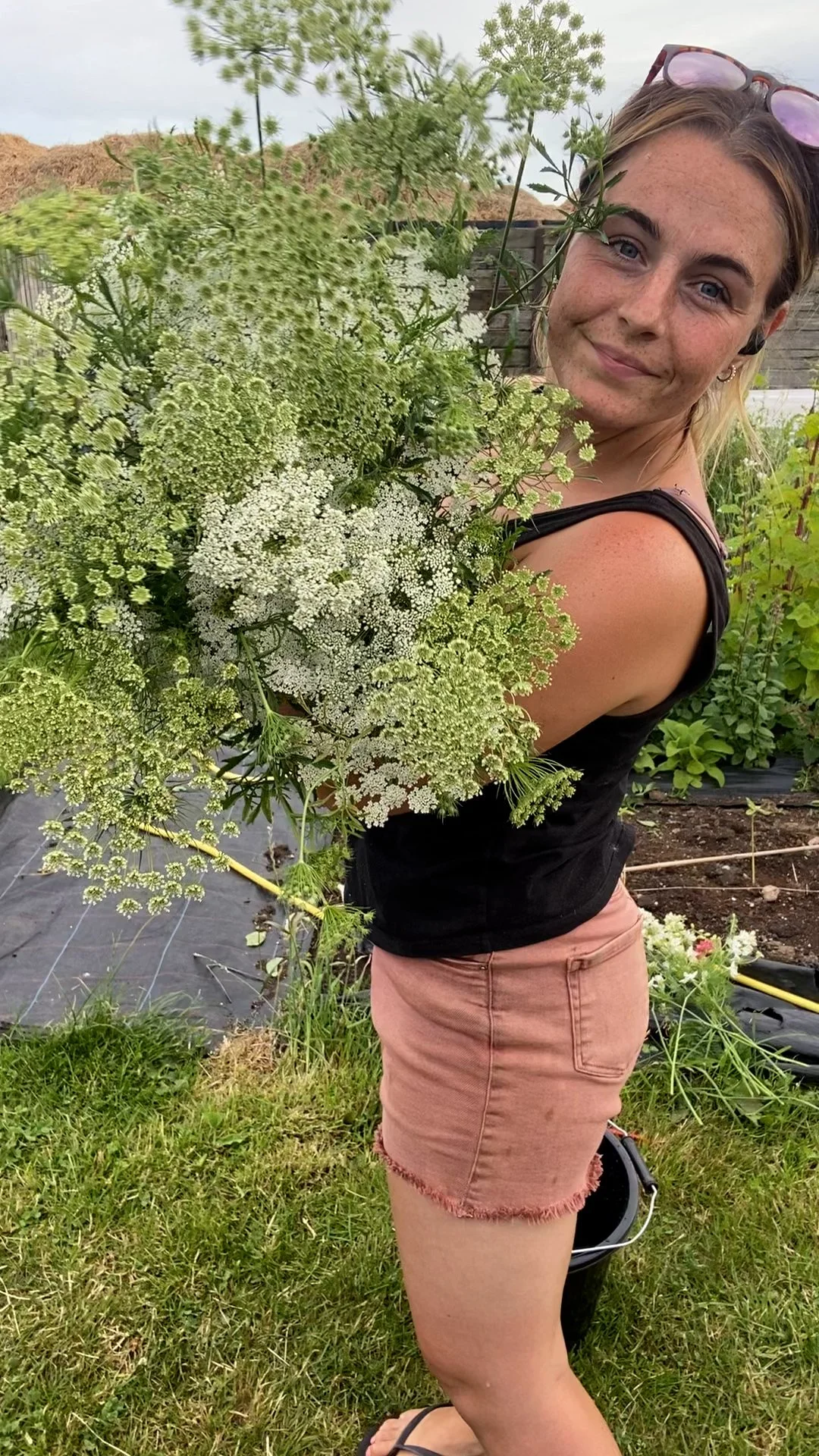
6. Ammi Majus
Ammi majus is one of my favourite fillers for late summer and autumn arrangements. Its delicate, lace-like flowers pair beautifully with dahlias and other seasonal blooms.
To keep flowers coming throughout the season, I like to sow multiple successions.
Growing Tips for Ammi Majus
75–100 days to maturity
Prefers cooler germination temperatures
Germinates best around 16–18°C
Plant approximately 12 inches apart
No pinching required
Optional - provide support netting
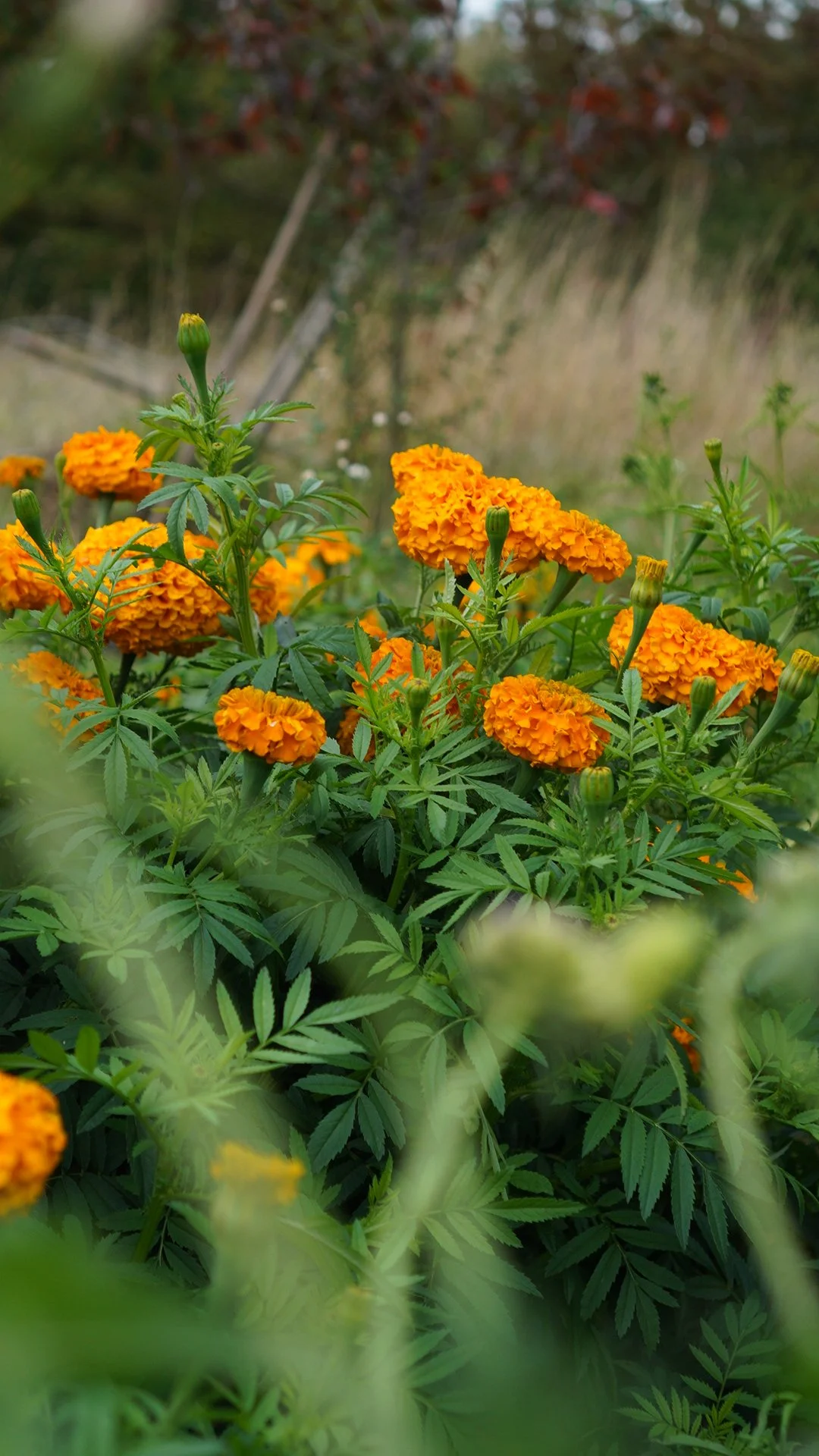
7. Marigolds
Marigolds are incredibly productive and flower quickly, making them a great option for June sowing.
For cut flower production, look for varieties bred specifically for long stems rather than bedding types.
Growing Tips for Marigolds
50–90 days to maturity
Prefers warm germination conditions
Cover seeds only lightly
Plant 9–12 inches apart
Pinch plants for bushier growth
Why I Prefer Soil Blocking for Summer Sowing
At this time of year, seedlings grow quickly, and I find soil blocking gives me excellent control over germination and spacing while reducing plastic use in the garden.
Many of the flowers in this list are started in soil blocks before being transplanted into the field. The blocks help minimise root disturbance and make transplanting quick and efficient when the seedlings are ready.
If you're interested in trying soil blocking yourself, you can find the soil blockers I use here.
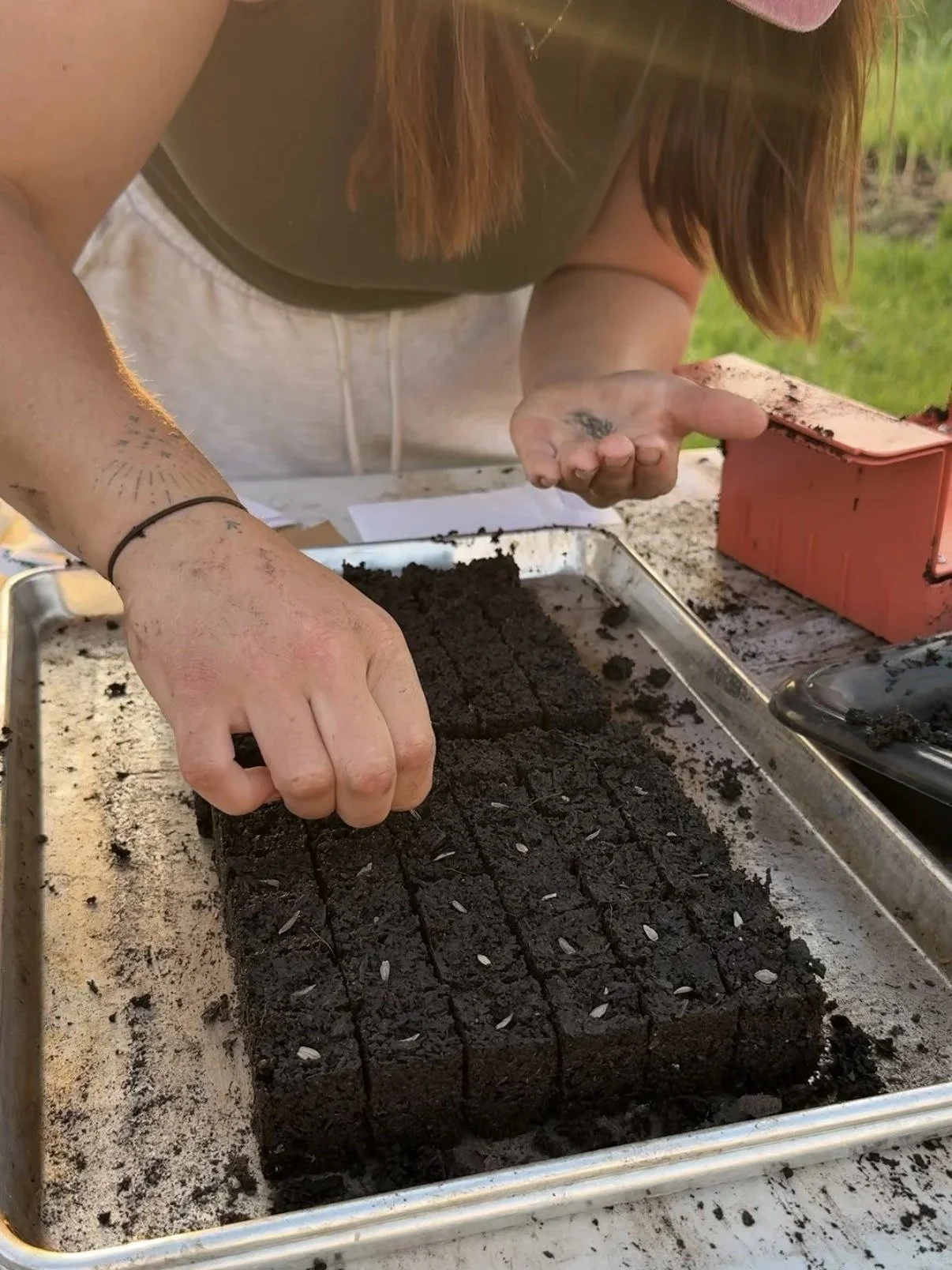
Sowing zinnia seeds in soil blocks
Final Thoughts
It's easy to assume that once June arrives, the opportunity to sow cut flowers has passed. In reality, there is still plenty of time to establish fast-growing annuals that will provide armfuls of flowers later this summer and into autumn.
By combining succession sowing with varieties that mature in under 100 days, you can keep your cutting garden productive for much longer and avoid the feast-or-famine cycle that many growers experience.