
How to Grow Lupins (tips from a flower farmer)
Initially skeptical, I planted lupins in the spring of 2020 without much excitement and after a weak harvest of flowers in the autumn of the same year, I was somewhat uninspired.
However, their stunning bloom in 2021 surprised me and I was captivated.
The flowers were obviously popular with my followers too as I received plenty of feedback on Instagram and Youtube about how viewers had been inspired to grow their own lupins too.
If you’re curious about how to grow lupins then you’re in the right place as I grow them on my own farm for cut flowers.
What are Lupins?
Lupins, belonging to the genus Lupinus in the pea family, encompass around 200 herbaceous and partly woody species. They flourish in the Mediterranean regions and are abundant on western North American prairies.
These plants, appreciated for their stunning flower spikes, serve as ornamentals. Additionally, certain lupin species are employed as beneficial cover crops and as forage crops due to their utility.
Lupins are perennials, meaning they grow back year after year. They are mostly blue or purple in colour but can also be red, yellow or white.

Lupins in a flower field
How to Grow Lupins for Cut Flowers: Quick Answer
Start by soaking lupin seeds in hot water for one to three days.
Consider different lupin varieties for a mix of colors.
Plant the soaked seeds into larger seed trays.
Place one seed into each individual cell and cover it with vermiculite.
Allow the seeds to continue germinating in the trays.
Maintain strong stems by wrapping them in craft paper to prevent bending toward light.
Regularly turn the lupin bouquet to prevent excessive bending toward light, creating unusual stem shapes.
How to Sow Lupins
When to Sow Lupin Seeds
Lupin seeds can be started from Spring to early Summer and in Autumn. Here in the UK I tend to sow mine in Spring (around March) so I can plant them out in Summer. They may produce a few flower stems in Summer or Autumn of the same year, but will produce a better flush the following season.
How to Sow Lupin Seeds
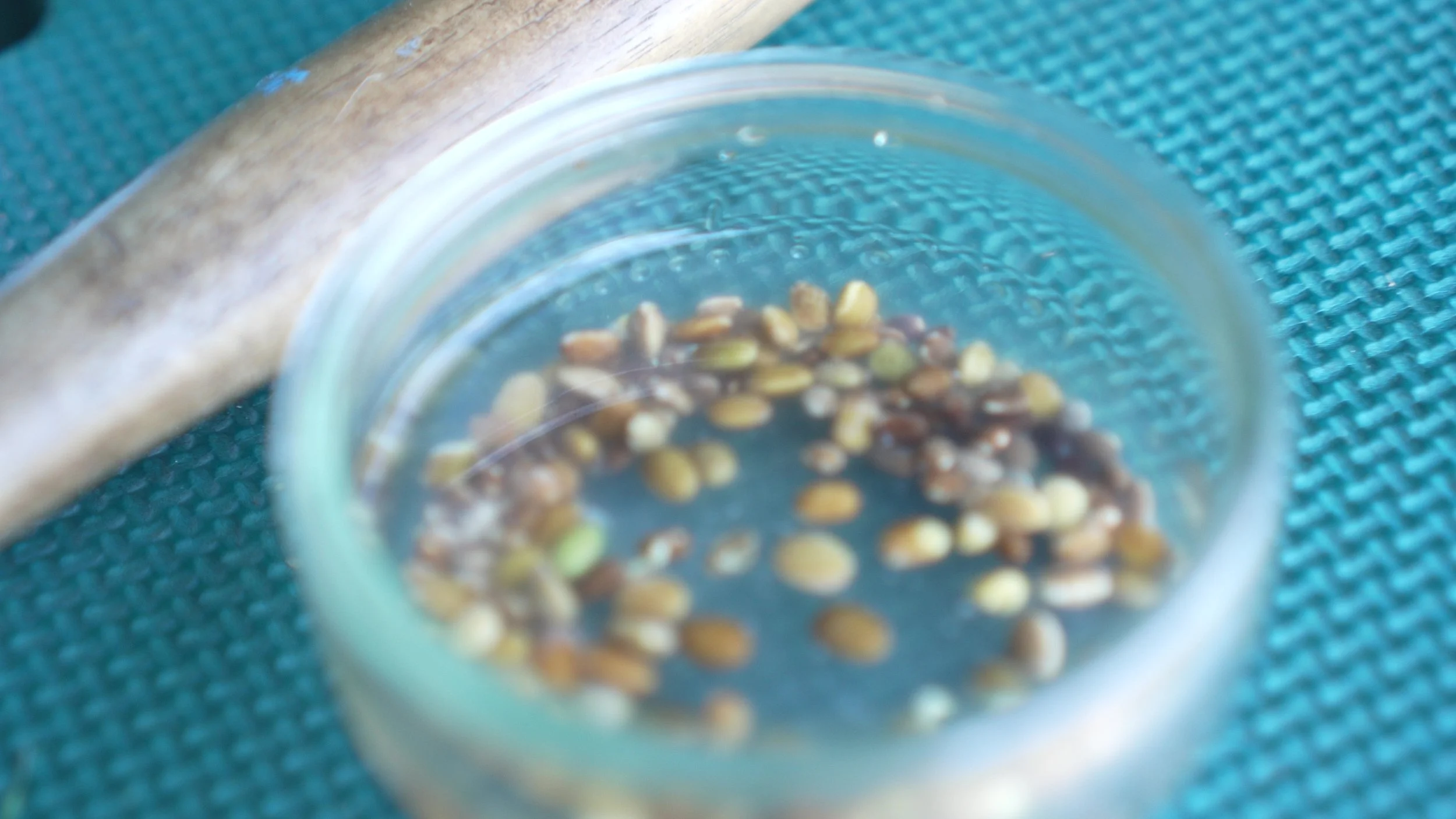
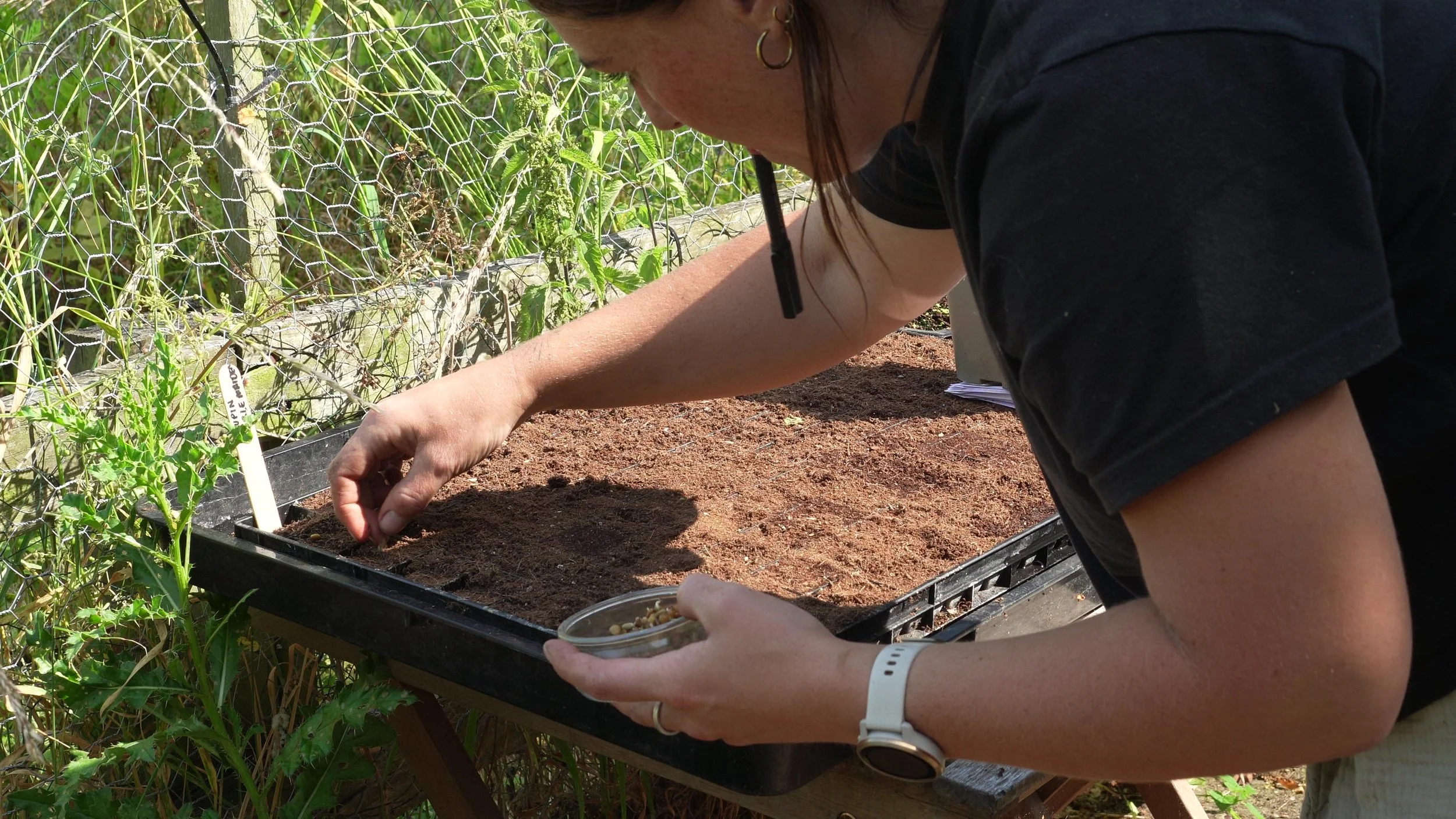
First, soak lupin seeds in hot water for 1-3 days until you notice the seed looking swollen. Add the hot water initially and leave the seeds to soak in the cooled water.
After soaking, fill a seed tray with a seed starting compost mix, or make soil blocks. Sow the seed 5mm deep, covering it with more compost or vermiculite.
Place the seed tray in a warm location ideally at a temperature of 18-20°C and keep the compost damp.
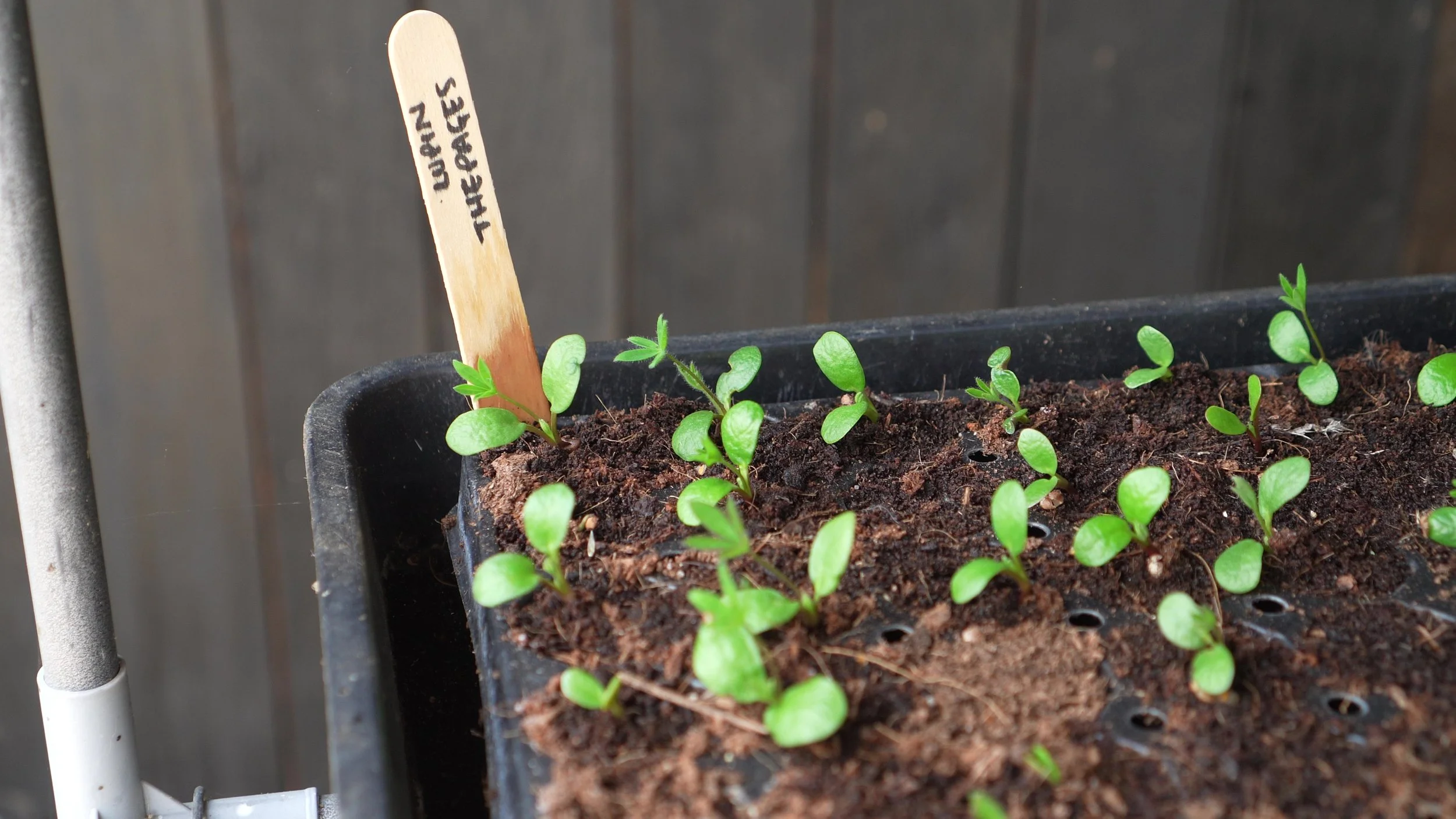
Germination can be fast in warm temperatures but can take up to 21 days
Where to Sow Lupin Seeds
Lupin seeds can be started indoors in a greenhouse, polytunnel or windowsill. Just make sure the seedlings receive enough daylight to prevent leggy seedlings. Most plants require at least 10 hours of daylight to grow.
Lupin seedlings
How to Plant Lupins
When to Plant Lupins
Once lupins have germinated they should be grown on and potted up into larger pots to grow into larger plants before you plant them outside. When they’re large enough (around 30cm tall), and after the risk of frost has passed, they can be hardened off and planted outside.
Where to Plant Lupins
Lupins prefer a sunny site, with fertile well draining soil. They can tolerate some shade.
How to Plant Lupins
Harden off your lupin plants by putting them in a sheltered location outdoors for a week or so before you plant them out. Alternatively you can put them outside during the day and inside at night to acclimitise them to the outdoors.
Once they’re acclimitised plant them into the garden at at least 12 inch spacing. Give them a good watering to help them settle in.
How to Care for Lupins
Watering
When the weather is dry make sure to water lupins regularly.
Feeding
I like to give my lupin plants a foliar feed every couple of weeks with compost extracts and natural plant growth stimulants like liquid seaweed.
Overwintering
Lupins are hardy perennials that come back year after year. In winter, Lupin foliage will die back to the ground, you can mulch them to give them extra protection but they are very hardy. In spring, new growth will emerge.
Pruning/Deadheading
Deadhead lupin flower spikes regularly to encourage them to produce more flowers.
Problems
1. Lupin Aphids:
- Allow natural balance: Resist specific measures as these pests usually self-regulate within a few weeks.
- Plant Lupins in different locations: Putting distance between groups of lupin plants can help to stop or slow the spread of Lupin aphids
- Physical removal: Use the flow of water from a hose pipe to physically remove lupin aphids.
2. Slugs and Snails:
- Use organic slug pellets: Employ these as a preventive measure to protect your lupin crops from potential infestations.
- Reduce slug and snail habitats: Mulches, wood piles and cool shady spaces are all good slug habitats. Minimise these areas to discourage slugs and snails.
- Allow natural balance: Encourage birds and other wildlife to the area to predate on slugs and snails.
These measures help maintain the health of your lupins while avoiding excessive intervention.
How to Harvest Lupins
Harvest Lupins when 1/3 of the flowers are open on the spike. Cut the stems near the base of the plant and place them upright in a bucket of cool, clean water.
Lupins are phototropic which means they will bend and twist towards the light. It might be helpful to wrap the stems in paper to keep them straight while conditioning them.
For optimal results, it's recommended to harvest lupins in the cool of the morning or evening. Cut the stems directly into cool water and keep the bucket in the shade to prolong their freshness.
Read more about harvesting cut flowers here.

A bucket full of lupins and other cut flowers
Additional Tips
Lupins will last 3 - 7 days in the vase
Lupins flower from late Spring to mid-summer (May - July)
You can encourage a second flush in late Summer by cutting all of the flowering stems back to the ground after flowering.
Frequently asked questions
Are lupins invasive?
Lupinus polyphyllus is considered invasive in certain areas of Europe, New Zealand and Iceland. They are extremely competitive and can take over an environment without much space left for other species. Check local advice about growing lupins, and make sure to deadhead them before the seed pods turn brown to avoid spreading.
What do Lupin seeds look like?
Lupin seeds develop in a pod and look like small peas. The seeds can be white, brown, grey and speckled. The pod becomes darker brown as it matures and eventually the pod will fling open and disperse the seeds.
Can you collect seeds from lupins?
You can easily collect seeds from your favourite lupin varieties. Once the flowers die back wait for the pods to develop and turn dark brown on the plant. Harvest the seeds before the pod opens on a dry day. Store the seeds in a cool, dry place.

Lupins and other cut flowers in a bucket
Lupins are a wonderful addition to any garden or floral arrangement. With their unique appearance and vibrant colors, they are sure to bring joy to your outdoor spaces.
By following the steps outlined in this guide, you can successfully grow lupins from seed and enjoy their beauty throughout the seasons.
Remember to provide them with the right amount of sunlight, well-draining soil, and regular care to ensure healthy growth and abundant blooms.